Cart is empty.
Take a look at our collection page.
Take a look at our collection page.
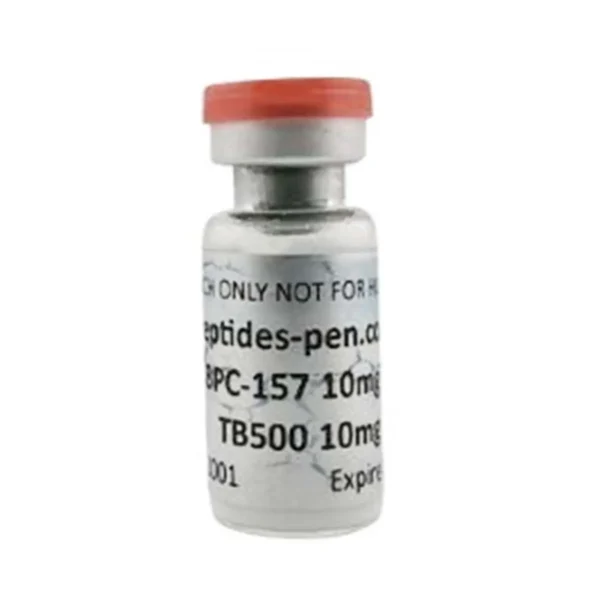
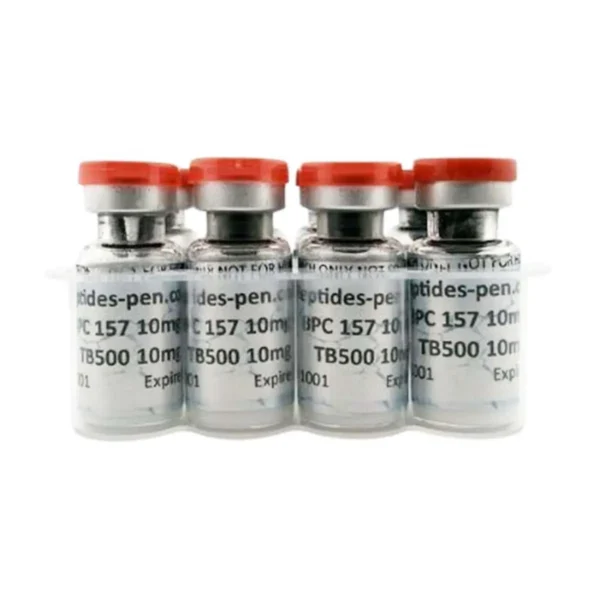
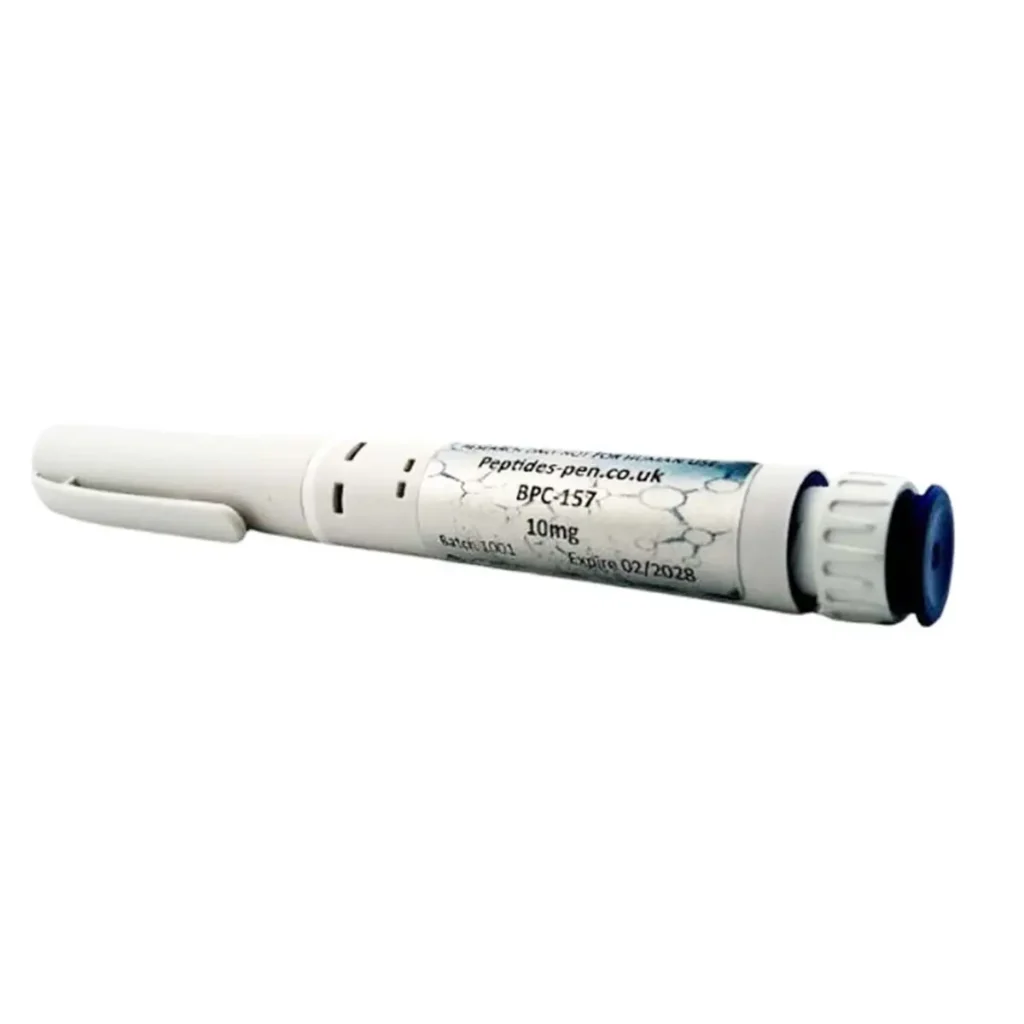
Price range: £29.95 through £44.95
BPC-157’s effects are mediated through several biological pathways.
The “Wolverine Stack”
BPC-157 (Body Protective Compound 157) – Research and Potential Benefits (Preclinical)
Most of the potential benefits of BPC-157 are based on extensive animal research. These studies suggest a wide range of regenerative and protective effects.
TB-500 is a synthetic version of a specific active fragment of Thymosin Beta-4 (Tβ4), a naturally occurring peptide found in human and animal tissues. It is primarily recognized for its role in cellular repair, wound healing, and anti-inflammatory processes.
Key Functions and Benefits
As of 2026, research into TB-500 highlights several potential therapeutic benefits, though many remain in the preclinical or experimental stages:
For research use only, not to be used in clinical trials involving humans. Documentation is for information only.
BPC-157
TB-500
We deliver to the whole of the UK and N.Ireland, not Europe or the rest of the world.
All orders will be sent using Royal Mail 24 tracked for small orders, APC next day couriers for larger orders.
Orders received before 2pm Monday – Friday will be sent the same day, orders received after 2pm Friday including Saturday and Sunday will be sent on the Monday.
Please include you phone number and/or email address on the payment page so you receive the tracking number and delivery time direct from Royal Mail.
All peptide products supplied are intended strictly for research and laboratory use only. They are not for human or veterinary consumption, therapeutic use, or diagnostic purposes.
By purchasing these products, the buyer acknowledges that they are a qualified researcher and agrees to use the products in accordance with all applicable laws and regulations.