Cart is empty.
Take a look at our collection page.
Take a look at our collection page.
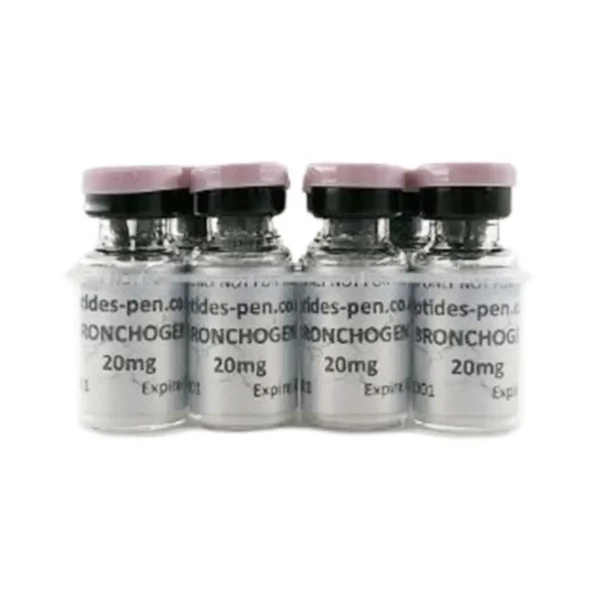
£38.95
10 in stock
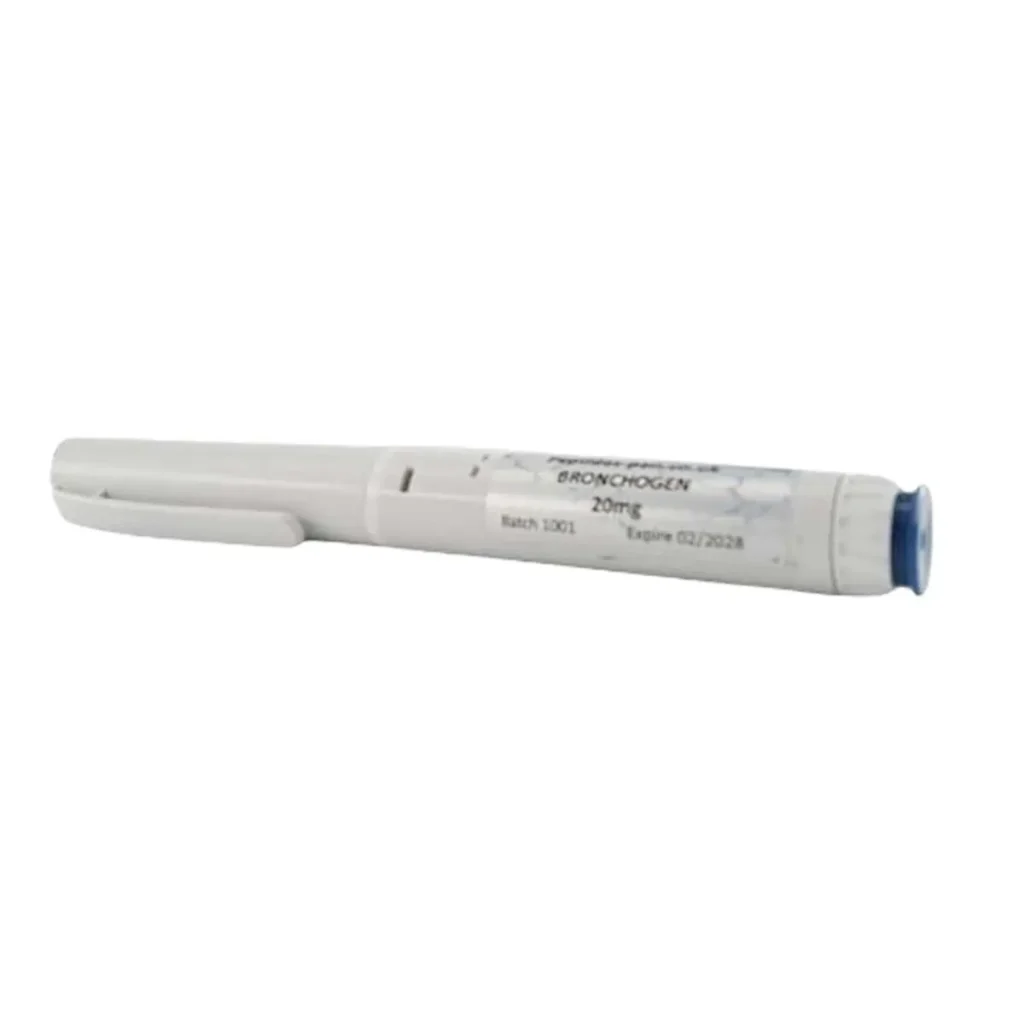
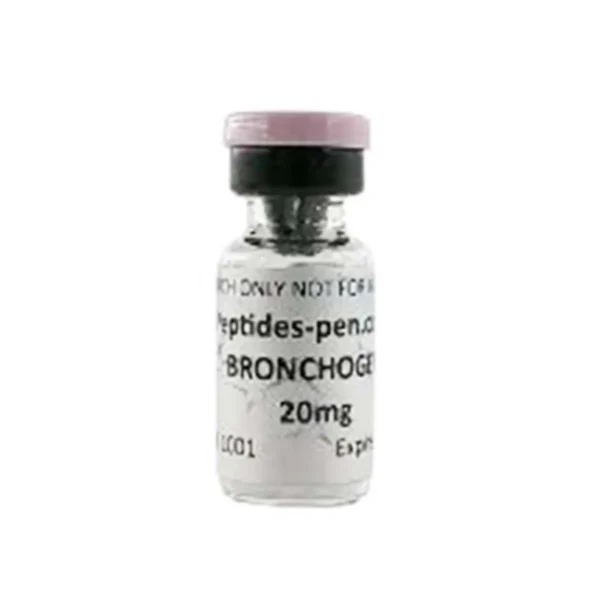
Bronchogen (Ala-Glu-Asp-Leu) is a synthetic bioregulatory tetrapeptide designed to target lung tissue, enhancing respiratory health and structural integrity.
It shows strong affinity for bronchial epithelium, demonstrating anti-inflammatory and regenerative effects in studies.
It is primarily used in research to study cellular regeneration, typically in lyophilized form.
Primary Research Areas
Studies on Bronchogen, often led by researcher Vladimir Khavinson, focus on its potential impact on the respiratory system:
For research use only, not to be used in clinical trials involving humans. Documentation is for information only.
We deliver to the whole of the UK and N.Ireland, not Europe or the rest of the world.
All orders will be sent using Royal Mail 24 tracked for small orders, APC next day couriers for larger orders.
Orders received before 2pm Monday – Friday will be sent the same day, orders received after 2pm Friday including Saturday and Sunday will be sent on the Monday.
Please include you phone number and/or email address on the payment page so you receive the tracking number and delivery time direct from Royal Mail.
All peptide products supplied are intended strictly for research and laboratory use only. They are not for human or veterinary consumption, therapeutic use, or diagnostic purposes.
By purchasing these products, the buyer acknowledges that they are a qualified researcher and agrees to use the products in accordance with all applicable laws and regulations.